
Get in touch

Culture
Puerto Plata Culture: Amber, Larimar, Rum, Cigars and Merengue
The stories behind Puerto Plata's amber, larimar, rum, cigars and music, with practical tips on what to bring home and how to shop without getting fooled.

In this article
Puerto Plata’s culture is easy to take home if you know what to look for. The north coast is linked to Dominican amber and to one of the country’s best-known rum houses, the Cibao valley next door grows the tobacco behind world-famous cigars, and merengue and bachata play everywhere from colmados to buses. Here is what each one means locally, what is worth buying and how to shop smart.
Amber: fossil resin from the northern mountains
Dominican amber is fossilized tree resin, millions of years old, mined in the mountains of the north of the country. It ranges from honey yellow to deep orange and red, and some pieces contain tiny insects or plant fragments trapped inside. The rarest variety has a blue or greenish glow under certain light, and it is priced accordingly.
Puerto Plata has an amber museum in the historic center, set in an old Victorian-style house, where you can see remarkable specimens and learn how amber forms before you shop. Check the current opening hours before you go.
How to avoid fake amber
- Buy from established shops that give a written receipt and, for expensive pieces, a certificate of authenticity.
- Be wary of very cheap “amber” with perfect insects, offered on the beach or in the street. Plastic and resin copies exist.
- Ask the seller to show you how they test pieces. Reputable jewelers are used to the question.
Larimar: the blue stone found only here
Larimar is a sky-blue to turquoise stone, often with white streaks that look like light on water. It is a variety of the mineral pectolite and, as far as is known, the gem-quality material comes only from the Dominican Republic, from the mountains of Barahona province in the southwest. That makes it the most typical Dominican souvenir you can buy.
A few tips before you choose a piece:
- Deeper, more intense blue is generally valued more than pale or grayish stones.
- Larimar is softer than many gems, so treat rings and bracelets gently and keep them away from harsh chemicals.
- Prolonged strong sun can fade the color over time; store it out of direct light.
- As with amber, imitations exist. A receipt from a known shop is your best protection.
Rum and mamajuana
Rum is part of daily life in the Dominican Republic, from family celebrations to the plastic cups at a neighborhood colmado. Puerto Plata has a special connection: Brugal, one of the country’s best-known rum brands, was founded here in the late 19th century. Visitor experiences at producers change over time, so ask locally whether tours or tastings are currently offered.
Mamajuana is the other drink you will hear about. It is a bottle packed with tree bark, roots and herbs, steeped in rum, red wine and honey. Locals credit it with all kinds of virtues, half seriously. You can buy it ready to drink or as a bottle of dried herbs to fill at home.
What to bring home
- Aged Dominican rum, which is often good value compared with prices abroad
- A bottle of dry mamajuana mix, light and easy to pack
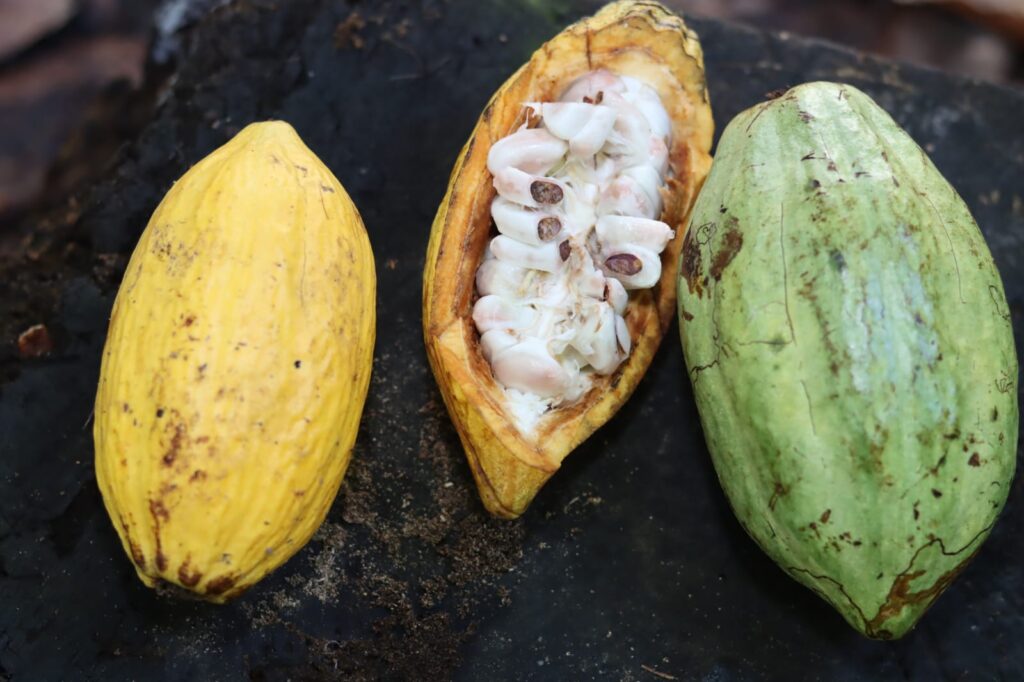
- Dominican coffee and cacao or chocolate, both grown in the country
Check your home country’s customs allowance for alcohol, and pack bottles in checked luggage, wrapped in clothes.
Cigars from the Cibao
The Cibao valley, around Santiago, is the heart of Dominican tobacco country, and the Dominican Republic is one of the world’s leading producers of premium cigars. Around Puerto Plata you will find shops where torcedores (cigar rollers) work in front of customers, shaping leaves by hand.
- Watching a roller at work is a highlight even if you do not smoke.
- Buy boxes from shops with proper storage; cigars should feel firm and slightly springy, not dry or brittle.
- Ask for sealed boxes and a receipt, and check your home country’s tobacco allowance before buying in quantity.
Merengue and bachata
Music is the easiest part of Dominican culture to experience, because it finds you. Merengue, fast and joyful, is considered the national music; its traditional form uses accordion, the güira (a metal scraper) and the tambora drum. Bachata grew from guitar music in rural areas and working-class neighborhoods and went from being looked down on to filling dance floors worldwide. Both have been recognized by UNESCO as intangible cultural heritage.
You do not need lessons to enjoy them. Sit at a colmado in the evening, watch couples dance at a local spot on weekends, or simply ask your driver to put on his favorite songs. Many hotels offer basic dance classes, and locals are usually happy to show a visitor the basic step.
The fastest way to make friends in Puerto Plata is to try a few merengue steps and laugh at your own mistakes.
Where to shop and see it all
The historic center of Puerto Plata, with its Victorian-style wooden houses, the central park and the old San Felipe fortress near the Malecón, is where culture and shopping meet. A guided Puerto Plata city tour is a practical way to cover the main sights and visit amber, larimar, rum and cigar shops with someone who knows the reputable addresses. If you have kids or want some nature too, the city tour with Monkeyland adds a stop with squirrel monkeys.
Cruise passengers often have a few hours only. Our guide to shore excursions from Amber Cove and Taino Bay explains how to fit a city visit into your time ashore. Adren Trip also arranges private drivers if you prefer to set your own pace.
Bargaining etiquette
In markets and with street vendors, polite bargaining is normal. In jewelry shops and stores with marked prices, it is less common, though asking for a discount on several items is fine. Always count your change and ask for receipts.
Frequently asked questions
Is Dominican amber or larimar a better souvenir?
Both are typical. Larimar is unique to the Dominican Republic, so it is the more distinctive gift; amber has a deep local history on the north coast. Whichever you choose, buy from an established shop with a receipt.
Can I take rum and cigars home?
Usually yes, within your home country’s customs limits. Allowances differ by country and can change, so check them before you buy in quantity.
Where can I hear live merengue or bachata?
Weekends in town are your best bet, at local bars, colmados and the Malecón area. Ask your guide or hotel staff where locals are going that night, since the scene changes often.
Keep reading
All articles
Adventure
Damajagua 27 Waterfalls: How the Climb, Jumps and Slides Really Work
A practical guide to the 27 Waterfalls of Damajagua: the uphill hike, the jumps and slides on the…

Islands & beaches
Cayo Arena (Paradise Island): A Sandbar Day from Puerto Plata
A tiny ring of white sand in open water, a speedboat through mangroves and some of the clearest…

Cruise days
Amber Cove and Taino Bay Shore Excursions: How to Choose Well
Your ship docks in Puerto Plata for a few hours. Here is how to turn that window into…